Vir Biotechnology Rebuild Centers On AI-Driven Drug Discovery Platform
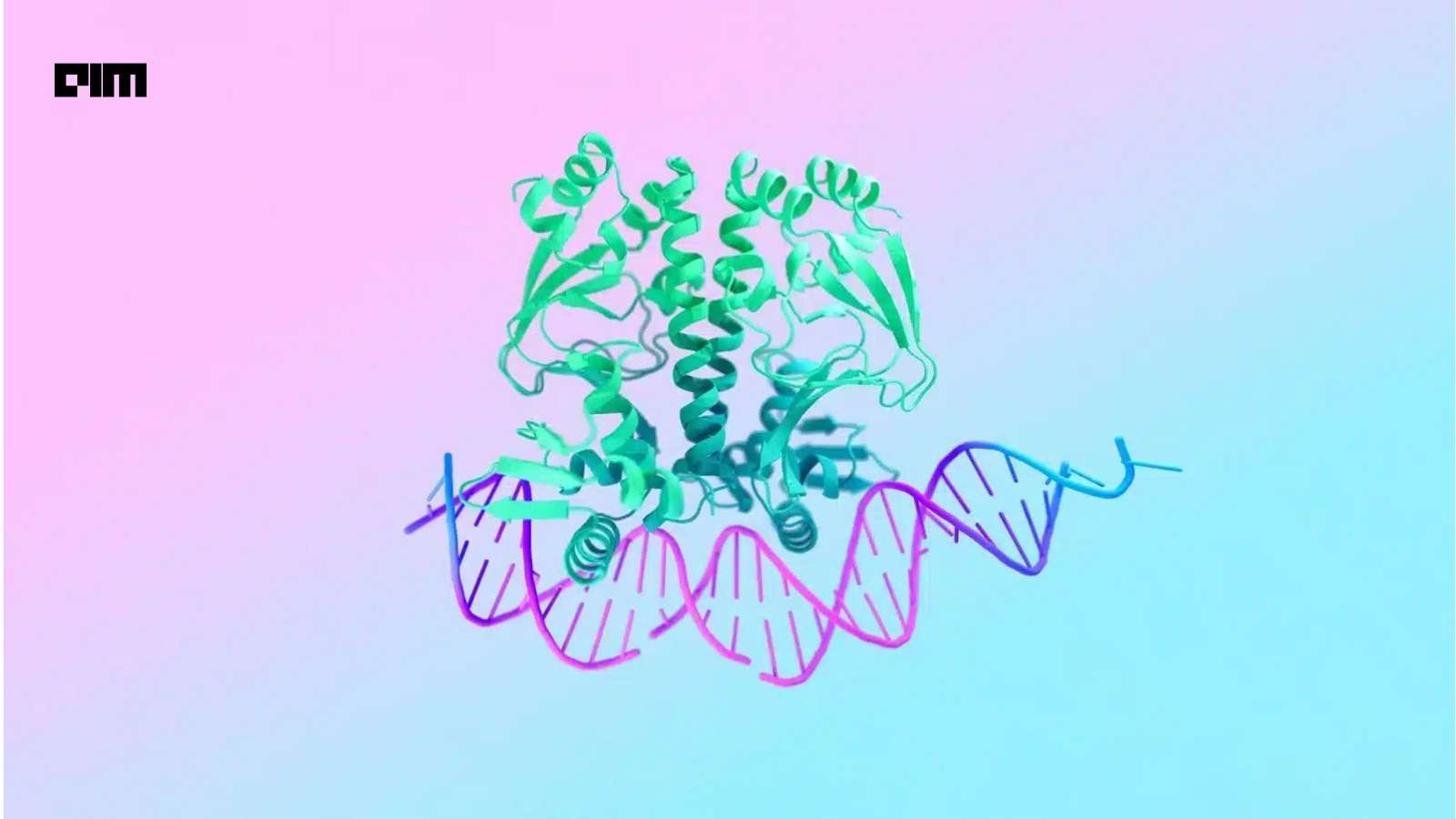
Vir Biotechnology is using AI-driven discovery and protein engineering to expand its oncology pipeline, with a recent Astellas deal reinforcing its platform strategy.
Vir Biotechnology is repositioning its business around artificial intelligence-led drug discovery and platform-based development as it rebuilds after the decline of its COVID-19 antibody revenue.
The company is combining AI-driven molecule design with protein engineering and its PRO-XTEN masking platform to develop therapies for solid tumors and infectious diseases, according to its corporate disclosures and recent leadership commentary.
Marianne De Backer, CEO of Vir BiotechnologyMarianne De Backer, CEO of Vir Biotechnology, described the company’s shift toward integrated capabilities across discovery and development. “We have now seven new preclinical stage assets that actually have evolved rather swiftly… using our artificial intelligence engine… to come up with the best possible molecules from a potency perspective, but also from a developability perspective, from a manufacturability perspective,” she said on the IDEA Collider podcast .
This approach is being applied across its oncology pipeline, where the company is developing masked T-cell engagers designed to remain inactive until reaching tumor tissue. The platform is intended to address toxicity challenges that have limited the use of T-cell engagers in solid tumors.
Vir Biotechnology is using AI systems to optimize candidate selection across multiple parameters, including potency, manufacturability, and developability, as part of its internal discovery workflow.
Industry adoption of similar AI-driven methods has focused on reducing early-stage experimentation and improving candidate selection efficiency in drug development.
Pharmaceutical companies are also expanding the use of AI across research and development workflows to shorten timelines and improve consistency in output.
AI Platform Supports Oncology Pipeline Expansion
Vir Biotechnology’s oncology strategy centers on its PRO-XTEN platform, which uses a masking mechanism to control the activity of T-cell engagers. The therapy remains inactive in circulation and is activated only in the tumor microenvironment through protease-mediated cleavage, according to company disclosures.
The company is advancing multiple clinical-stage programs, including VIR-5500, a prostate cancer therapy targeting prostate-specific membrane antigen (PSMA). Early Phase 1 data has shown dose-dependent anti-tumor activity alongside a favorable safety profile, according to its financial and pipeline update.
De Backer said the company’s masking approach is designed to address safety limitations seen in earlier therapies. “Only when it reaches the tumor microenvironment… the T cell engager is then basically unmasked… and can exert its activity,” she said on the podcast .
Beyond oncology, Vir Biotechnology is progressing a hepatitis delta program currently in Phase 3 registrational trials, with initial data expected in the fourth quarter of this year.
Astellas Deal Provides External Validation And Funding Support
Vir Biotechnology’s platform strategy received external validation through a global collaboration with Astellas Pharma, announced on 02/23/2026 and closed on 04/16/2026, to develop and commercialize VIR-5500.
The agreement includes $335 million in upfront and near-term payments and up to $1.37 billion in milestone payments. Astellas will fund 60% of development costs and lead commercialization outside the United States, while both companies will share profits equally in the U.S.
De Backer said the company’s restructuring has required operational discipline alongside scientific investment. “You can have the best science and the best ideas in the world. You need to fund your operations,” she said .
The collaboration shifts a portion of the financial burden of late-stage development while allowing Vir Biotechnology to retain participation in commercialization in its core market.
Key Takeaways
- Vir Biotechnology pivots to AI-driven drug discovery to enhance its oncology pipeline.
- Integrates AI with protein engineering to develop therapies for solid tumors and infectious diseases.
- Develops masked T-cell engagers to mitigate toxicity challenges in cancer treatment.
- Optimizes candidate selection using AI for improved potency, manufacturability, and developability.
- Reinforces platform strategy through strategic partnerships, including a recent deal with Astellas.