Fannie Mae Names Srikanth Geedipalli VP of Modeling and AI
The hire follows investments in AI-driven fraud detection and risk analytics
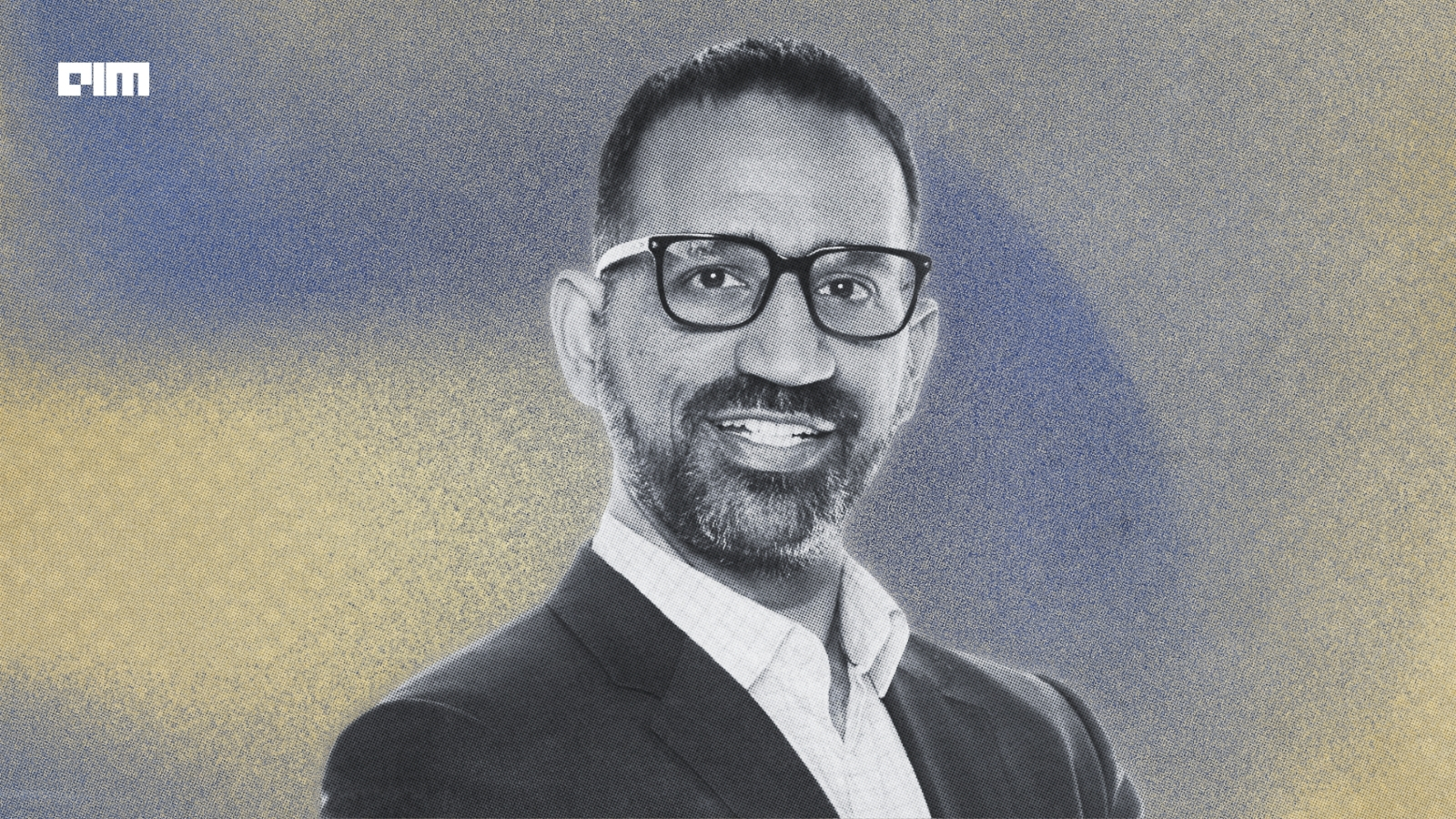
Fannie Mae has appointed Srikanth Geedipalli as Vice President of Modeling & AI Products and Services, a senior role that places responsibility for AI alongside the enterprise models that underpin the U.S. mortgage market. The hire comes as the government-sponsored enterprise accelerates investments in AI-driven risk detection, data platforms, and model modernization, while operating under some of the most stringent governance and regulatory constraints in financial services.
Geedipalli joins Fannie Mae after nearly six years at Experian, where he led AI product management and commercialization efforts across credit, analytics, and capital markets.
In a LinkedIn post announcing his departure, he described his work as building “pickaxes and shovels”: data assets, platforms, and decision tools used by banks and financial institutions at scale, and said he plans to “narrow [his] focus, while dramatically amplifying the scale” in his next role. That aligns with Fannie Mae’s role in housing finance, where models and decision systems influence mortgage eligibility and risk distribution across the market.
AI under conservatorship
Unlike banks or fintechs, Fannie Mae operates under federal conservatorship overseen by the Federal Housing Finance Agency (FHFA), which places strict requirements on model risk management, validation, documentation, and fairness. Any AI system deployed by the enterprise must be auditable, explainable, and aligned with fair-lending obligations, with independent review and governance controls comparable to supervisory guidance such as SR 11-7 for model risk management.
Those constraints help explain why Fannie Mae has tied AI leadership directly to modeling and products. The organization’s automated underwriting systems and risk models already sit at the center of mortgage origination and securitization, influencing a significant share of U.S. home loans. Embedding AI into that infrastructure requires disciplined integration rather than experimentation.
Fannie Mae has signaled that direction through recent initiatives. In 2025, the company announced the launch of an AI-driven Crime Detection Unit, developed in partnership with Palantir Technologies, to identify mortgage fraud patterns across large datasets using machine learning and advanced analytics. The effort was positioned as a market-integrity and safety initiative, reinforcing the emphasis on risk monitoring and decision oversight.
The enterprise has also published research on lender adoption of AI and machine learning, highlighting fraud detection, operational efficiency, and risk management as primary use cases, while noting governance and explainability as persistent barriers. These moves suggest Fannie Mae is shifting from exploratory AI work toward institutionalized deployment within core systems.
From Experian to Fannie Mae
Geedipalli’s background maps closely to that mandate. At Experian, he led AI-driven product development across credit analytics and decisioning, overseeing platforms designed to be reused across clients and markets rather than built for single use cases. In his LinkedIn post, he pointed to assets including the Ascend platform, no-code and low-code analytics tools for credit decisioning, feature solutions, and the launch of a capital markets analytics business, describing many of them as capable of standing alone as fintechs.
That experience points to a focus on productized analytics: standardized, governed tools that sit between raw data and downstream decisions. It also reflects operating in markets dominated by a small number of data providers, where differentiation comes from software, analytics, and model deployment rather than proprietary distribution. Geedipalli wrote that in such an environment, “software and analytics was a source of alpha”.
Fannie Mae occupies a similar position in housing finance. It does not originate mortgages, but its standards, models, and systems shape how risk is assessed and distributed across lenders and investors. By appointing an executive whose career has centered on scaling decision platforms inside regulated institutions, the enterprise appears to be reinforcing an AI strategy built around reuse and control.
The role combines responsibility for both enterprise modeling and AI product development, reflecting how Fannie Mae deploys advanced analytics within its core decision systems.
Rather than operating as standalone tools, models at the company are embedded into underwriting, risk monitoring, and market integrity workflows, where they are subject to ongoing validation, review, and operational oversight. The position places AI development alongside those existing controls, rather than outside them.
Key Takeaways
- Fannie Mae appointed Srikanth Geedipalli as VP of Modeling & AI, signaling increased AI investment.
- Geedipalli's role combines AI responsibilities with core mortgage market enterprise models.
- Fannie Mae's AI development operates under strict regulatory oversight, emphasizing auditable and fair systems.
- New hire follows Fannie Mae's investments in AI-driven fraud detection and risk analytics.