Is Middle Management Blocking AI Progress?
Managers are not questioning whether AI can work. They are questioning whether it will work in their specific operational context.
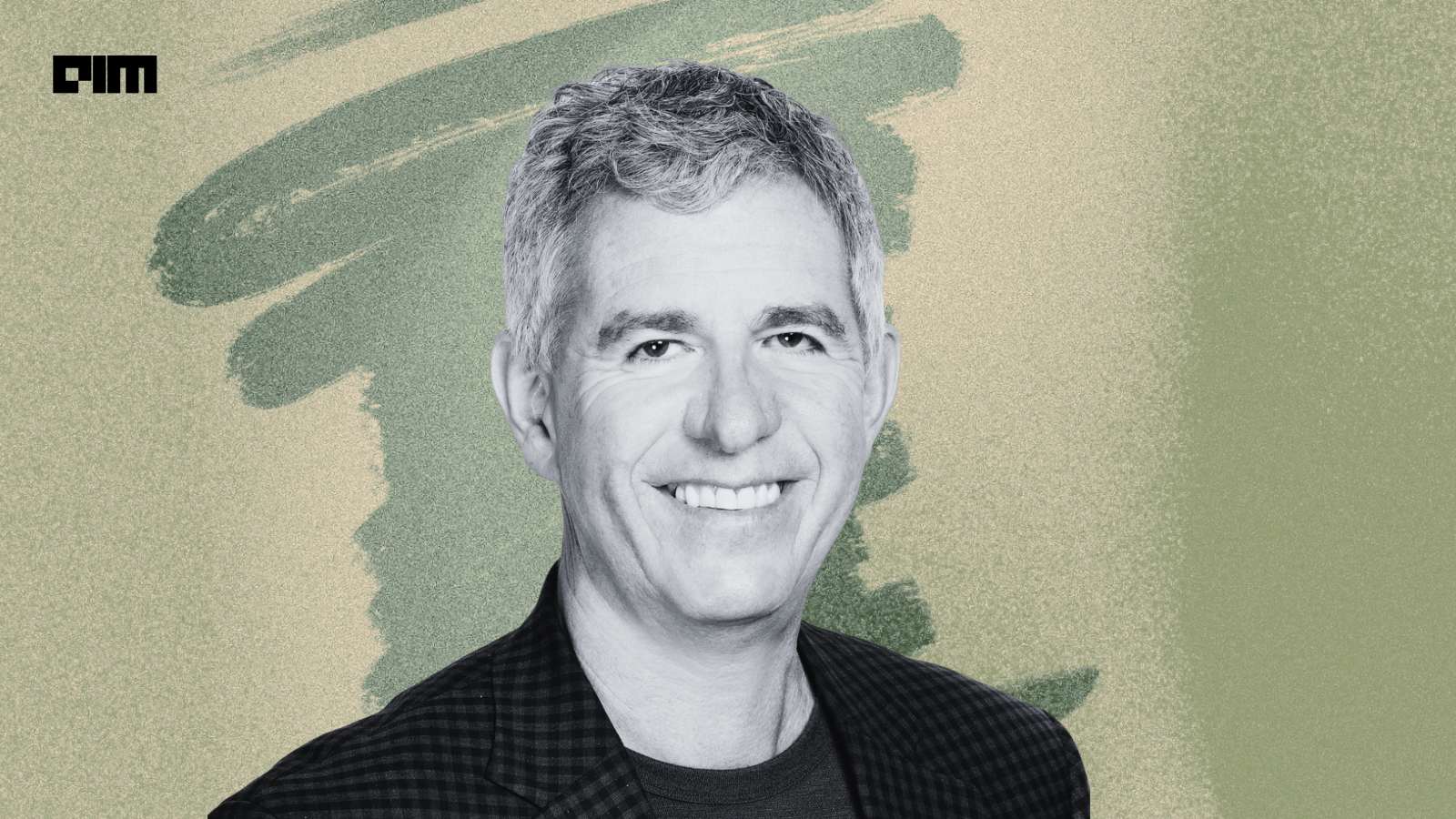
Boardrooms have reached a consensus on AI. The people responsible for executing that vision have not. That is the central argument Peter Bendor-Samuel, Founder and Executive Chairman of Everest Group, makes in a Forbes piece published April 17, 2026.
Bendor-Samuel identifies what he calls the "frozen middle" — a layer of mid-level managers who sit between board-level conviction and operational reality, and whose skepticism is slowing enterprise AI transformation far more than any technology limitation.
The pattern is visible in Everest Group's own data. Its Key Priorities for Technology and Services Spend in 2026 study, which surveyed more than 200 senior decision-makers from organizations with annual revenues exceeding $1 billion, found that 80% of organizations expect positive ROI from AI.
Yet 55% of those same organizations cite change management challenges as a key barrier to realising that value. The gap between expectation and execution is not a technology problem. It is a people problem.
Why the Middle Is Frozen
Mid-level managers have lived through ERP implementations, digital transformation programmes, and cloud migrations — initiatives that promised significant gains and delivered more modest results.
When AI is presented as the next transformative wave, their instinct is measured caution, and that instinct is grounded in experience.
Bendor-Samuel draws a specific distinction that matters. These managers are not questioning whether AI can work. They are questioning whether it will work in their specific operational context, and what it will actually take to get there.
That is a different problem than simple resistance, and it requires a different response than increased top-down pressure.
The dynamic creates a structural tension inside large organizations. At the board and CEO level, conviction is high and the pressure to demonstrate progress is real.
But the people responsible for execution do not yet have the evidence they need to move with confidence. The organization is being pushed to act before clear success patterns have emerged.
Why Future-State Visioning Is Not Enough
Many organizations have responded to this tension by investing in future-state visioning, building target operating models, defining AI-enabled workflows, and articulating where the business will be in three years. Bendor-Samuel argues this is necessary but not sufficient.
A future vision tells the organization where it wants to go. It does not tell mid-level managers how comparable organizations are navigating the journey, what trade-offs they are making, or where the real challenges lie.
For the frozen middle, that gap is critical. They are less concerned with abstract end states and more focused on practical execution.
What they need, according to Bendor-Samuel, is transparency into peer activity, including missteps and incremental progress, not just success stories.
When mid-level leaders can see how comparable organizations are approaching AI adoption, their confidence increases and the journey becomes more tangible.
What Organizations Should Do
Bendor-Samuel identifies three priorities for leaders trying to move past this barrier. First, acknowledge the legitimacy of mid-level skepticism rather than dismissing it, dismissal reinforces resistance.
Second, provide visibility into real-world adoption patterns from peer organizations, not just internal ambitions. Third, treat operating model change as the core of AI value rather than positioning AI as a technology upgrade.
The third point is the most structurally significant. Everest Group's 2026 study found that only 15% of organizations believe service providers are leveraging AI extensively, while 34% report limited, selective adoption.
That gap persists, Bendor-Samuel argues, precisely because organizations focus on deploying tools rather than changing how work gets done.
The frozen middle, in his framing, is not an obstacle to be eliminated. It is a signal that the organization needs better alignment between vision and execution, according to Bendor-Samuel.
The enterprises that will move fastest on AI are not the ones applying the most top-down pressure. They are the ones bringing the entire organization into the journey.
Key Takeaways
- Recognize that middle management skepticism, not technology, hinders enterprise AI transformation.
- Address change management challenges to bridge the gap between AI expectations and execution.
- Understand that mid-level managers question AI's applicability, not its potential effectiveness.
- Acknowledge past experiences with technology initiatives shape current managerial caution towards AI.
- Implement tailored responses to engage middle management rather than relying on top-down pressure.