Kroger’s Next CEO Inherits an AI System That Has to Work
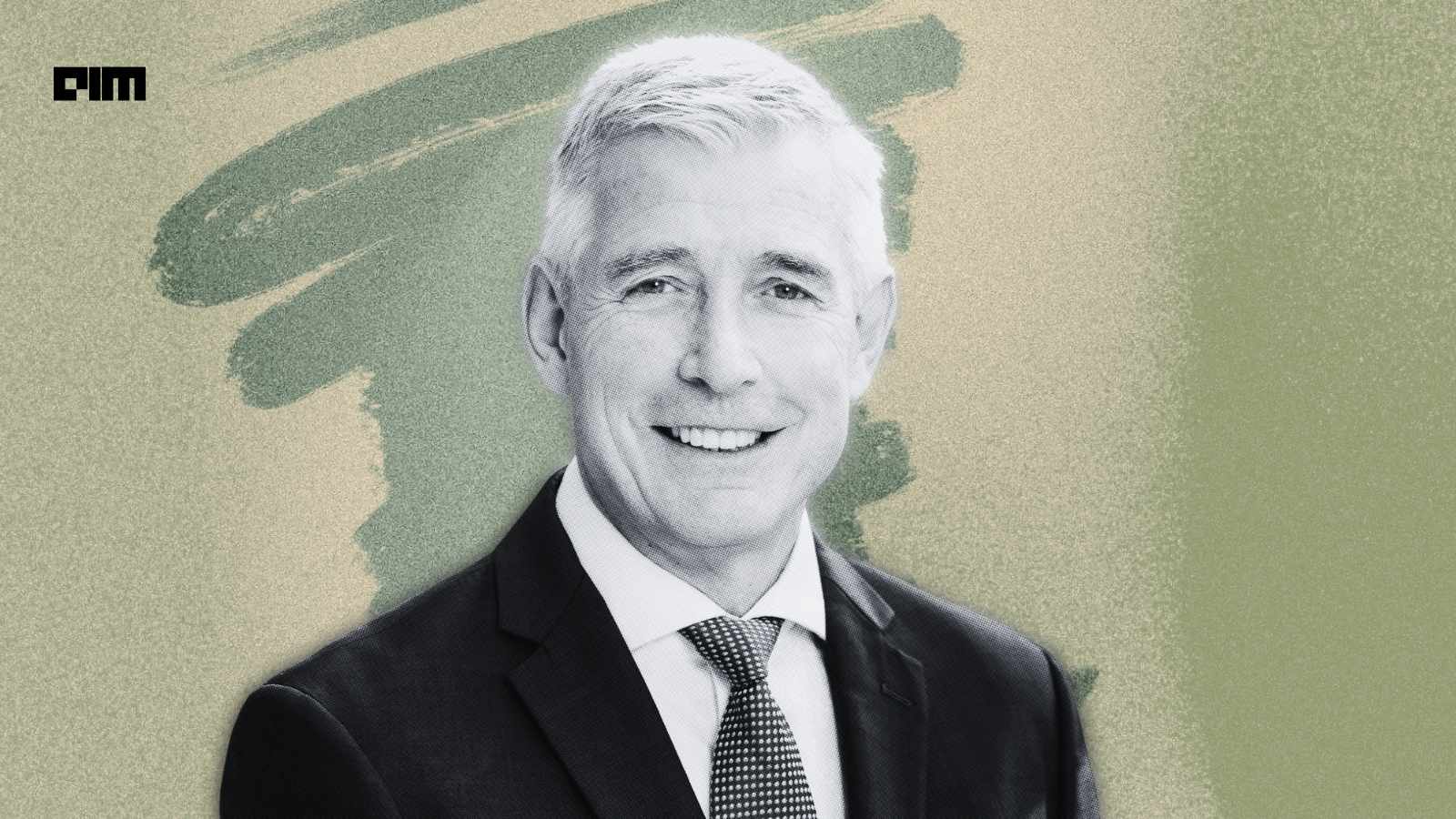
Greg Foran steps in as the grocer bets automation and data can finally show up in prices, availability, and margins
Kroger is preparing to name Greg Foran, a former senior Walmart executive and the current chief executive of Air New Zealand, as its next CEO, according to reporting by The Wall Street Journal. The appointment would follow a nearly year-long external search after longtime CEO Rodney McMullen resigned amid a board investigation into personal conduct unrelated to business operations.
The leadership change comes during a period of significant restructuring. Under interim CEO Ron Sargent, Kroger has cut roughly 1,000 corporate roles, announced plans to close about 60 underperforming stores, consolidated divisions, and reviewed non-core assets. These moves followed the collapse of Kroger’s proposed acquisition of Albertsons, which regulators blocked on antitrust grounds in 2024.
At the same time, Kroger has continued to expand its use of artificial intelligence across pricing, personalization, fulfillment, and operations. Management has framed AI as central to lowering costs, improving customer experience, and funding price investments during a period of inflation and intensified competition.
Kroger Has Already Put AI Into Production
Kroger’s AI efforts are anchored in its data and analytics subsidiary, 84.51°, which manages insights drawn from more than 150 million customer touchpoints. The unit powers roughly 1.9 billion personalized coupons annually and underpins personalized promotions across email, digital carts, and in-store offers.
Online shopping is one of the clearest areas of AI deployment. Kroger’s “Start My Cart” feature uses machine learning to generate approximately 500 billion product recommendations each year, a system the company says has made online basket building nearly 4.5 times faster than in earlier iterations. These tools are designed to shorten shopping time and increase conversion, particularly for repeat customers.
AI is also embedded in fulfillment operations. Kroger has deployed dynamic batching systems that analyze more than 200,000 totes per second to optimize pickup routes in high-volume stores. The company has said these systems have reduced associate walking distance by about 10% and contributed to faster order preparation and two-hour pickup availability in some markets.
Beyond stores, Kroger has invested heavily in automated fulfillment infrastructure through its partnership with Ocado Group. The grocer has opened eight AI-enabled robotic fulfillment centers in the U.S., with additional sites planned, to manage inventory and delivery timelines.
AI is also used to address shrink, a persistent profitability challenge in grocery retail. Kroger CFO David Kennerley said the company has deployed AI tools that track sell-through at the store level and identify lost sales opportunities, particularly for seasonal items. Kennerley has linked early automation and analytics efforts to improved margins in recent quarters.
Foran Inherits an AI Stack That Now Has to Show Results
Kroger’s AI footprint places it in direct comparison with peers that already tie AI to core financial outcomes. At Walmart, AI systems are integrated into inventory forecasting, pricing, labor scheduling, and digital advertising. The company reported 27–28% U.S. e-commerce growth and 53% advertising revenue growth in its most recent quarter, metrics executives have explicitly linked to automation and AI-driven systems.
Amazon represents a more structurally embedded model. AI is built into pricing, fulfillment routing, supplier management, and last-mile logistics. These systems operate as infrastructure, with performance measured through delivery speed, cost per order, and margin contribution.
Other retailers highlight different constraints. Costco has largely avoided public AI positioning, instead emphasizing SKU discipline, limited assortment, and pricing consistency. Its model relies on operational simplicity rather than technological sophistication, creating ongoing price pressure for full-service grocers like Kroger.
Target and Albertsons offer cautionary comparisons. Target invested heavily in data and digital tools ahead of demand shifts that left it overstocked, forcing margin-eroding markdowns in 2023 and 2024. Albertsons developed analytics and personalization capabilities but lacked the scale advantages. To note, regulators blocked in its proposed merger with Kroger, limiting the operational leverage of those systems.
Foran’s background suggests a focus on execution rather than experimentation. During his tenure as CEO of Walmart U.S. from 2014 to 2019, he emphasized store conditions, fresh food quality, inventory discipline, and operational follow-through. Former colleagues described frequent store visits and close inspection of merchandising and operations as central to his management style.
Kroger’s AI systems are already live across pricing, fulfillment, and personalization. Its cost structure is under pressure, and its competitive set includes retailers that have already converted AI into measurable gains. Under new leadership, the company’s use of AI will be evaluated through outcomes Kroger already reports.